
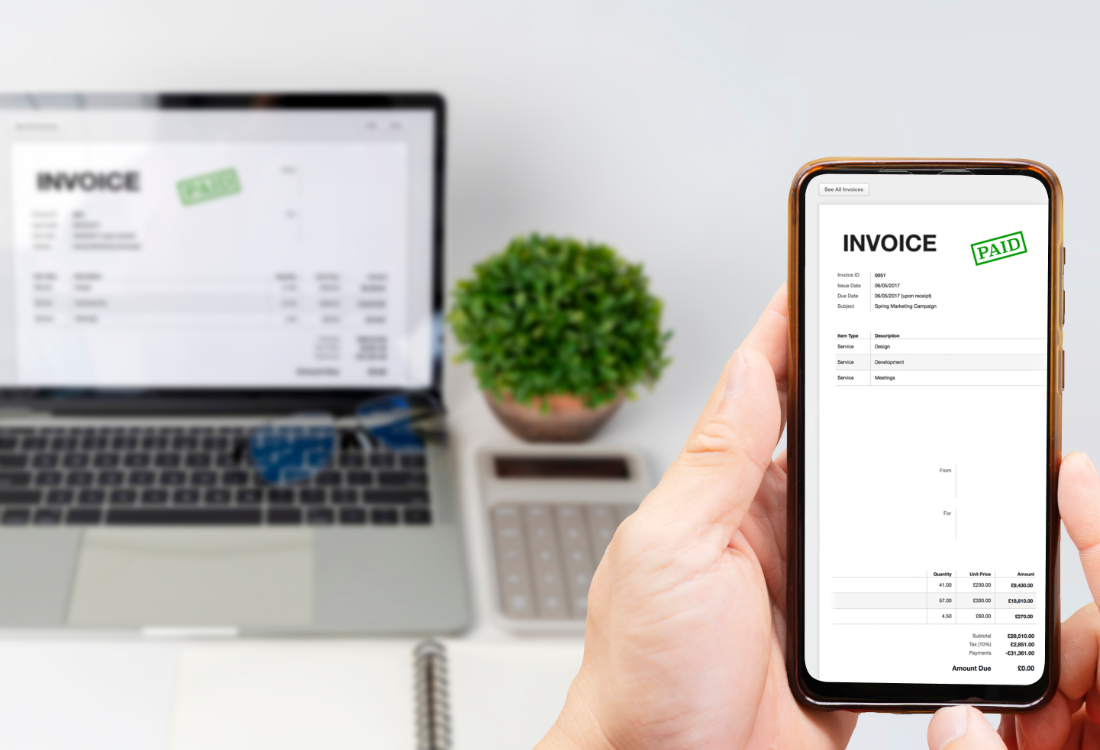
Making Tax Digital (MTD) is an ambitious initiative, launched by HMRC in 2019, to overhaul and modernise the UK’s tax system by requiring businesses to submit tax information electronically, and to maintain digital records using an approved system. In practice, MTD means different things to different businesses. For companies who had already transitioned to digital accounting and reporting before 2019, the transition was fairly seamless, whereas the change has required a fundamental reorganisation of accounting practices in companies still invested in hard copy ledgers and ad hoc computer folders.
Why Making Tax Digital?
Believe it or not, the purpose behind Making Tax Digital wasn’t to add another layer of red tape to already stretched business owners! The main motivation behind MTD from HMRC’s perspective was to reduce errors in tax submissions, but also to improve data accuracy and streamline the tax process for everyone involved. At the heart of the scheme is a shift away from non-digital reporting methods towards fully integrated digital platforms that communicate directly with government databases.
How Does MTD Impact Your Business?
MTD affects different areas of your business depending on which elements of the initiative apply to you, for example:
MTD for VAT is already mandatory for VAT registered businesses with an annual turnover of over £85,000. The scheme requires you to:
- Keep your VAT records digitally
- Submit VAT returns using compatible software
- Maintain a digital link between all systems handling your VAT information
MTD for income tax starts in April 2026 for eligible self-employed individuals and private landlords. This will require:
- Digital record-keeping for self-employment and rental income
- Quarterly summary updates to HMRC in the place of annual submissions
- A final digital tax return submitted to approval software
The Role Of Modern Accounting Software In Making Tax Digital
Platforms such as Sage and Xero have transformed how businesses handle their MTD compliance. These cloud-based systems automatically maintain digital records, calculate taxes, and can submit returns directly to HMRC, removing much of the administrative burden from businesses. Modern accounting software also comes with automated bank reconciliation and seamless integration with HMRC systems, making compliance more straightforward and less prone to error.
But Do I Need An Accountant If I Have Xero?
This question is a common dilemma that many business owners face. Platforms such as Xero are excellent at handling the technical aspects of MTD compliance, so the answer depends on other factors, such as the complexity of your business, your sector, and how comfortable you are with financial management tools.
Xero Is Good At:
- Automating routine bookkeeping tasks
- Maintaining MTD compliance
- Providing real-time financial dashboards
- Streamlining VAT submissions
Professional Accountants Add Value Through:
- Strategic tax planning and advice
- Complex transaction guidance
- Year-end accounts preparation
- Business growth consultancy
Many successful businesses find that the optimal approach combines both: using Xero for day-to-day compliance and record-keeping, while engaging an accountant for strategic advice and complex matters.
Next Steps
To find out more about MTD-compatible software, to review your current tax processes, or to explore whether additional professional support would benefit your business goals, please contact one of the experienced team at Vanilla Accounting today.

Image source: Canva
